
Southwark Council rules for Bermondsey removals and skips
Posted on 17/07/2026
If you are planning a move in Bermondsey, the council side of the job can be just as important as the packing tape. Southwark Council rules for Bermondsey removals and skips affect where a vehicle can stop, whether a skip can sit on the road, how waste is handled, and what happens if you block a pavement or ignore permit requirements. Miss one detail and a simple move can turn into a headache. Get it right, though, and the day tends to run much more smoothly.
This guide breaks the process down in plain English. You will learn how Bermondsey moves are typically affected by local parking controls, skip placement, waste responsibilities, and the practical steps that help avoid delays. It is written for real-world moving days, not theoretical ones. Because let's face it, when the sofa is halfway through the hallway and the van is waiting outside, nobody wants to be reading council guidance for the first time.
For broader move planning, you may also find our pages on removals in Bermondsey and our services overview useful while you work through the details.

Why Southwark Council rules for Bermondsey removals and skips Matters
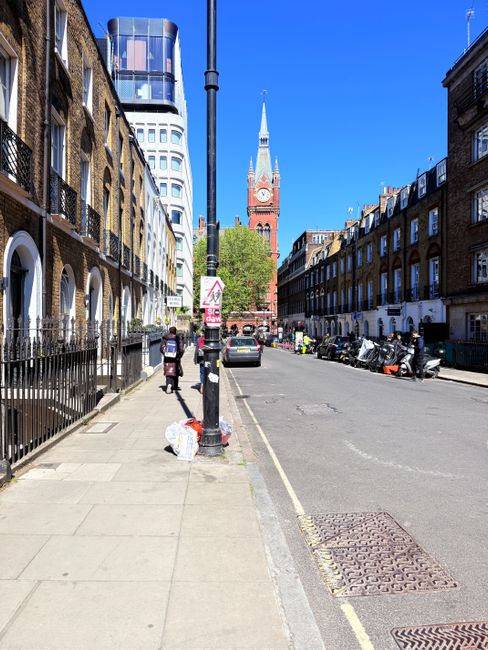
In Bermondsey, the street layout, parking pressure, and residential density can make a moving day feel tighter than it looked on the calendar. A van stopping in the wrong place, a skip arriving without the right permission, or waste being left out in an untidy way can all create avoidable problems. That is why council rules matter. They are not just paperwork. They shape the practical flow of your move.
Southwark Council rules are especially relevant where road space is limited, controlled parking zones are in place, or a property sits on a busy street with narrow access. A removal vehicle may need to wait. A skip may need to be positioned carefully. If you are moving furniture out and disposing of old items at the same time, the risk of confusion rises fast. One pile for keep, one pile for skip, one pile for reuse, and suddenly the hallway is a small logistics centre.
These rules also matter for neighbours and building managers. In many Bermondsey flats and converted buildings, common areas must stay clear. Lifts, entrances, and shared pavements are not just convenience spaces; they are shared access routes. Ignoring that can cause friction even where no one is technically "in the wrong". A move that is calm, tidy, and well-signposted tends to get much less attention, and that is usually a good thing.
For moves involving flats, low-access buildings, or shared entrances, a dedicated flat removals Bermondsey service can help reduce the risk of access problems.
Expert summary: The safest approach is to treat the council rules as part of the moving plan, not an afterthought. Parking, access, skip placement, and waste handling all need the same level of attention as packing boxes.
How Southwark Council rules for Bermondsey removals and skips Works
There are usually two separate things to think about: the moving vehicle itself and any skip or waste container used during the move. They may sound similar, but they are handled differently.
1. Removal vehicles often need a sensible parking arrangement. If the vehicle is going to stop on a restricted street, in a bay, or near a controlled area, you may need to plan around local parking conditions and loading rules. In practice, that means checking whether loading is allowed, how long the vehicle can stop, and whether a suspension or permission is needed for your specific location.
2. Skips are a separate issue. A skip placed on public highway space usually needs to be handled with care and may require permission before it is placed there. Even where a skip is allowed, there are usually expectations around visibility, safe positioning, waste type, and duration. No one wants a skip sticking out awkwardly into the road with a few torn wardrobe panels hanging off the top. It is messy, unsafe, and not the best first impression.
3. Waste from removals is another layer again. If you are throwing away old furniture, boxes, or mixed household items during a move, you need to separate reusable goods from general waste where possible. Some materials are better handled through reuse, donation, recycling, or licensed disposal routes rather than simply dumping everything into the skip.
It helps to think of the process in a simple order:
- Confirm what is being moved and what is being discarded.
- Decide whether a skip is actually needed or if a removal van and separate disposal option will do the job.
- Check access, parking, and loading conditions for the Bermondsey address.
- Make sure the timing of the van, skip delivery, and any clearance work fits the property rules.
- Keep walkways, neighbours' access, and shared areas clear throughout.
If you need a moving option that is flexible for local streets and shorter trips, a man with a van in Bermondsey can be a practical fit for lighter loads, quick turnarounds, or smaller property clearances.
Key Benefits and Practical Advantages
Following the rules may not sound exciting, but the benefits show up quickly on moving day. First, it reduces the chance of delays. If parking is sorted and waste plans are clear, the team can work without constantly stopping to move the vehicle or reshuffle items. That matters more than people think.
Second, it helps control cost. Unexpected fines, re-delivery fees, last-minute permit issues, or extra labour hours can all creep in if the logistics are vague. A little planning often saves a lot of money later. Not always dramatically, but enough to matter.
Third, it keeps the move safer. Heavy furniture, loose rubbish, and awkward access routes create trip hazards. When a skip is positioned poorly or waste is left in a pinch-point, someone ends up carrying items at an awkward angle. That is exactly the sort of small thing that causes a strain or a dropped box.
Fourth, it makes you look organised to your neighbours and building staff. That may sound minor, but in Bermondsey apartment blocks and terraced streets, goodwill goes a long way. A tidy, well-run move is often noticed less, and that is a real advantage.
There is also the environmental side. Reuse and recycling are usually better than simply binning everything, especially if you are clearing out furniture, old packaging, or household clutter. Our own approach to recycling and sustainability is built around keeping waste handling practical and responsible.
Who This Is For and When It Makes Sense
This topic is relevant for a wide range of Bermondsey residents and businesses. If you are moving from a flat, replacing furniture, clearing an office, or dealing with a same-day relocation, council rules can affect the plan more than you might expect.
It is especially useful if you are:
- Moving from a flat with limited loading access
- Arranging a house move on a busy street
- Clearing out bulky items and old furniture
- Using a skip for renovation waste during a move
- Managing a student move with little time and lots of boxes
- Coordinating an office clearance that must finish quickly
Some moves are simple enough that a van and a couple of hands will do the job. Others need more structure. A larger house clearance, for example, may be better handled with a mix of removal transport and a proper disposal plan. On the other hand, if you have only a few rooms' worth of items, a smaller load and careful packing may be enough. The trick is matching the method to the actual move, not the move you hoped you had.
If you are a student or moving on a tight deadline, our pages on student removals Bermondsey and same-day removals Bermondsey may be useful starting points.
Step-by-Step Guidance
Here is a practical way to approach the job without letting the admin get on top of you.
Step 1: Work out what needs moving and what needs throwing away
Make two lists. One list is for items going to the new property or storage. The other is for items being disposed of, recycled, donated, or skipped. This step sounds basic, but it saves a lot of confusion later. A chair in the wrong pile can derail a whole van load.
Step 2: Check access at both properties
Look at entrance width, stair access, lift availability, and where the vehicle can legally stop. If you live in a Bermondsey street with limited space, assume the vehicle cannot simply park anywhere and wait. It probably can't. Better to check early than to discover it during the awkward five-minute panic window.
Step 3: Decide whether you actually need a skip
Not every move does. A skip is useful if you have bulky waste, renovation debris, or a large volume of mixed rubbish that cannot be handled efficiently through normal disposal. If your waste load is modest, another option may be simpler and cheaper. The wrong skip can be overkill.
Step 4: Time the moving vehicle and waste removal carefully
In tight urban settings, timing matters. If the skip arrives too early, it may block access. If the van arrives too late, your loading bay or parking window may be gone. Try to sequence the day so the heaviest lifting happens when access is cleanest and the area is least busy.
Step 5: Protect shared spaces
Use blankets, cardboard, or covers where needed. Keep hallways clear and make sure bulky items are carried safely. For shared buildings, a little care with corners and door frames goes a long way. That scuffed wall by the stairwell? Everyone notices it.
Step 6: Keep proof and notes
If you arrange permissions, time slots, or delivery details, keep them together. A quick screenshot, confirmation email, or note in your phone can save confusion when someone asks whether the skip was due at 9 or 10. Time has a way of becoming blurry on moving day.
Expert Tips for Better Results
Use the move to reduce waste. Many Bermondsey households discover they have more clutter than expected once the cupboards are opened. Be ruthless, but sensible. If you have not used something in years and it is still in good condition, consider whether it should really go into the skip at all.
Measure the awkward items first. Wardrobes, sofas, mirrors, and beds can turn a straightforward move into a puzzle. If the item will not fit through a doorway, you need a plan before anyone starts lifting. This is where a bit of pre-measuring pays off handsomely.
Do not leave skip decisions to the last minute. If you think you might need one, work it out early. Skip logistics can be more awkward than expected in a busy London area, especially where road space is limited.
Choose the right moving format. A large-scale house relocation and a small flat move are not the same beast. If you need storage between addresses, that should be built into the plan, not added at the end as a scramble. Our storage in Bermondsey page may help if your dates do not line up neatly.
Think about packaging and loading order. The first items loaded are not always the first items you want accessible at the other end. Keep essentials separate and label clearly. It sounds obvious. People still forget. Regularly.
For furniture-heavy moves, our furniture removals Bermondsey and house removals Bermondsey pages offer helpful context on planning a fuller move.
Common Mistakes to Avoid
One of the biggest mistakes is assuming a van can just stop wherever it is convenient. In Bermondsey, that assumption can backfire quickly. Loading rules exist for a reason, and where you are parked matters.
Another common mistake is ordering a skip before checking whether it is genuinely needed. If you are mostly moving furniture and boxes, a skip may be excessive. If you are clearing broken items, old boards, and mixed rubbish, then it may be the right tool. But if you guess, you often guess wrong.
People also underestimate how much waste they create during a move. A few bagged items can turn into a hallway full of packaging, tape, broken hangers, and random "I'll decide later" objects. That later rarely comes. Better to be honest at the start.
Other avoidable errors include:
- Leaving access checks until the day before
- Failing to separate reusable items from waste
- Blocking shared entrances or pavements
- Not allowing enough time for loading and cleanup
- Forgetting that bulky items may need dismantling
And yes, forgetting the kettle box is a classic. Not a legal issue, admittedly, but still a small emotional disaster by 7 a.m. the next day.
Tools, Resources and Recommendations
You do not need fancy equipment, but a few basic tools make compliance and moving much easier. A tape measure helps check doorways, stair widths, and furniture dimensions. Strong labels make it easier to separate keep, donate, recycle, and skip piles. Heavy-duty bags or boxes are useful for lighter waste and household clutter. And a marker pen somehow becomes the most important item in the house for about six hours.
It also helps to use a simple moving folder or checklist on your phone. Keep notes for access times, parking considerations, item lists, and delivery windows. If more than one person is helping, a shared note can prevent crossed wires.
For practical support during the packing phase, our packing and boxes Bermondsey page is worth a look. If you are preparing a larger home move and need a fuller service, see removal services Bermondsey and removal companies Bermondsey.
For business moves, office removals Bermondsey can be a better fit when timing, access, and equipment handling all need to be managed tightly.
Law, Compliance, Standards, or Best Practice
Because this topic involves parking, public space, waste handling, and sometimes road occupation, it is wise to treat it as a compliance-sensitive move. The exact permission requirements can vary depending on the location, street layout, and what you are placing on or near the highway. It is always safer to check the current position before making assumptions.
From a best-practice perspective, there are a few principles worth following even when a situation seems low risk:
- Do not obstruct access routes, emergency paths, or neighbouring entrances.
- Make sure any skip or vehicle position is visible and safe for other road users.
- Keep waste contained and avoid scattering debris onto pavements or roads.
- Use licensed and responsible disposal methods for items that cannot be reused.
- Be clear with the moving team about what stays, what goes, and what needs special handling.
For removals themselves, basic UK moving standards usually come down to care, planning, and safe handling. Heavy lifting should be done with proper technique. Fragile items should be packed securely. Children and pets should be kept well away from busy loading areas. Nothing glamorous there, just sensible practice.
If your move involves valuable or specialist items, it is worth checking the small print around insurance and safety so you know what protection and handling standards are in place. For terms around booking and service conditions, see terms and conditions.
Options, Methods, or Comparison Table
Different move types call for different methods. Here is a straightforward comparison to help you choose the right approach.
| Option | Best for | Pros | Things to watch |
|---|---|---|---|
| Removal van only | Standard house or flat moves | Simple, efficient, often enough for normal household loads | May not solve bulky waste or disposal needs |
| Van plus skip | Moves with lots of rubbish or old furniture | Keeps waste separate and clears the property fast | Needs more planning and may involve placement constraints |
| Man and van | Smaller moves, quick local jobs, flexible timing | Handy for lighter loads and short-distance moves | May not be ideal for very large clearances |
| Van with storage | Moves with date gaps or phased relocations | Useful when one property is not ready yet | Needs careful sequencing and a little more admin |
The key is not to choose the "best" sounding option. Choose the one that matches your access, waste volume, time pressure, and budget. A well-fitted plan beats a fancy one every time.
Case Study or Real-World Example
Here is a realistic Bermondsey scenario. A couple moves out of a two-bedroom flat near a busy street and wants to take most belongings to a new place while clearing out a damaged wardrobe, a broken desk, and several bags of old packaging. At first, they think a skip will solve everything. Then they look at the volume more carefully and realise only part of the waste truly needs skipping.
So they split the job. Keep items are packed first. Reusable pieces are separated. A small amount of waste is set aside for disposal. The removal van is timed for the quieter part of the morning. Hallway protection is put down. Loading begins in a clear order. No one blocks the entrance. No one is hunting for screws in the final five minutes.
The result? Less clutter, less stress, and fewer surprises. The couple still had a long day, because moving day is moving day, but it felt manageable rather than chaotic. And that is usually the difference between a good move and a miserable one. Not perfection. Just enough control.
If your own move feels a bit tangled, a local specialist like our man with van Bermondsey service can be a neat solution for smaller or more flexible jobs. For more local reading, you might also enjoy Bermondsey man and van SE16 quick local removals.
Practical Checklist
Use this before move day, and honestly, again on the morning itself.
- Confirm what is being moved and what is being discarded
- Check parking and loading conditions for both addresses
- Decide whether a skip is necessary or if another disposal method is better
- Measure furniture, doorways, stairs, and lift access
- Label boxes clearly, especially essentials
- Protect floors, corners, and communal areas
- Keep walkways and exits clear
- Separate reusable items from waste
- Make sure any skip delivery or collection timing fits the move
- Keep contact details, bookings, and instructions in one place
- Plan for weather, especially if items may sit outside briefly
- Double-check that fragile or valuable items have proper packing
A lot of this is simple stuff. Simple, yes. But simple is often what saves the day.
Conclusion
Southwark Council rules for Bermondsey removals and skips are really about keeping a move safe, tidy, and workable in a busy part of London. Once you separate vehicle access, skip needs, and waste handling into different decisions, everything becomes easier to manage. That clarity helps you avoid fines, delay, neighbour friction, and the kind of last-minute chaos that makes people swear they will never move again.
The best moves in Bermondsey usually share the same traits: they are planned early, they respect shared spaces, and they treat waste as part of the process rather than an afterthought. If you keep those basics in mind, the whole day feels more under control. Not perfect. Just calmer. And calmer is good.
Get a free quote today and see how much you can save.
If you would like help tailoring the move to your property type, load size, or access conditions, start with our Bermondsey removals page or take a look at contact details to discuss the best next step.