Health and Safety Policy for Bermondsey Man And Van
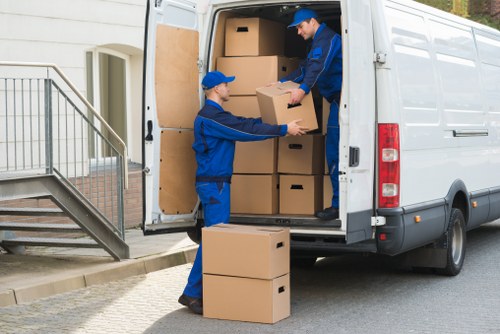 Bermondsey Man And Van is committed to maintaining a safe working environment for staff, customers, and anyone affected by our work. This health and safety policy sets out the standards we follow to reduce risk during removals, lifting, loading, unloading, and transport operations. We recognise that moving goods involves physical effort, changing environments, and time-sensitive activity, so safety must remain central at every stage.
Our approach is based on prevention, planning, and clear communication. We expect all team members to work responsibly, use equipment correctly, and report concerns as soon as they arise. The aim is to prevent injury, avoid damage, and ensure that every man and van service is carried out in a controlled and professional way.
 We also expect cooperation from clients where needed, especially when access is restricted, items are unusually heavy, or there are known hazards on site. By working together and keeping procedures consistent, our Bermondsey removals team can complete jobs safely while protecting property and people.
General Responsibilities
All employees and contractors are responsible for following safe working practices. Supervisors must assess each job before work begins and consider the size, weight, and fragility of items, as well as the route to and from the vehicle. Workers must use correct lifting techniques, avoid rushing, and never attempt a task that is unsafe or beyond their capability.
Management is responsible for providing suitable equipment, training, and oversight. This includes ensuring that blankets, straps, trolleys, gloves, and other moving aids are in good condition and used properly. A well-run man with a van service depends on reliable equipment and a culture of accountability.
Risk awareness is essential throughout the day. Staff should remain alert to trip hazards, slippery surfaces, poor lighting, sharp edges, and moving traffic. If conditions change during the job, the work must be paused until the issue is resolved or a safer method is identified.
Safe Manual Handling
 Manual handling is one of the greatest sources of injury in removals work, so we apply careful handling methods at all times. Items should be assessed before lifting, and where possible, heavy or awkward objects should be moved by two people or with the help of suitable equipment. Staff should plan the lift, keep loads close to the body, and avoid twisting while carrying.
We encourage a steady pace and team coordination rather than speed. If an item feels too heavy, unstable, or unsafe, the task must be stopped and reassessed. The removal van service should never rely on force alone, as this increases the risk of strains, slips, and accidental damage.
Loads must be balanced and secured properly inside the vehicle to prevent shifting during transit. Items should be stacked with care, with fragile objects protected and heavier items placed lower where appropriate. This not only supports road safety but also protects the workforce when unloading at the destination.
Vehicle and Equipment Safety
Vehicles used for our operations must be kept clean, roadworthy, and maintained to a standard that supports safe working. Drivers are expected to carry out routine checks before use, including tyres, mirrors, lights, brakes, fuel levels, and load security. Any defect that could affect safety must be reported and addressed promptly.
Equipment should be inspected regularly for wear, damage, or malfunction. Straps, dollies, ramps, and protective covers must be used correctly and stored safely when not in use. A professional man and van company depends on dependable tools and disciplined handling, not improvisation.
Where loading or unloading takes place near roads, entrances, or shared spaces, extra care is required to maintain a safe perimeter. Staff should remain aware of pedestrians, cyclists, and other vehicles, and should avoid leaving items unattended in positions where they might cause obstruction or harm.
Workplace Conditions and Incident Reporting
Every location presents different conditions, so our team must adapt while maintaining safe standards. Uneven flooring, narrow stairs, wet surfaces, poor weather, and limited access can all increase risk. In such cases, the team should slow the operation, use additional support, and choose the safest practical route.
If an accident, near miss, or dangerous situation occurs, it must be reported immediately. Prompt reporting helps us investigate the cause, take corrective action, and reduce the chance of it happening again. We treat all reports seriously, whether they involve injury, property damage, or unsafe working conditions.
 First aid arrangements should be available, and staff should know how to respond to common incidents such as cuts, strains, or falls. In an emergency, the priority is to protect life and summon the appropriate assistance without delay. Clear procedures support calm decision-making and better outcomes.
Training, Monitoring, and Continuous Improvement
 Ongoing training is essential to keeping our Bermondsey Man And Van operations safe and efficient. Staff receive instruction on manual handling, hazard recognition, safe loading, vehicle checks, and the correct use of equipment. Refresher training is provided when needed to reinforce standards and respond to new risks.
We monitor working practices to ensure that this policy remains effective. Supervisors review procedures, observe methods on site, and make improvements where necessary. Safety is treated as a shared responsibility, and all personnel are expected to contribute to a secure and respectful working environment.
This policy will be reviewed regularly to reflect operational changes and improve performance. Our commitment is to provide a safe, reliable, and responsible service at all times, protecting people, property, and wellbeing across every job we complete.